In today’s fast-paced world, physical fitness and personal safety have become more essential than ever. Martial arts and self-defense training provide a perfect combination of physical conditioning, mental discipline, and confidence-building skills. For adult Karate classes, enrolling in specialized classes such as karate, self-defense, wrestling, or private Jiu Jitsu can transform both body and mind. Let’s explore how these different disciplines can help you achieve your fitness goals while learning practical skills for real-life situations.
1. Adult Karate Classes: Discipline and Strength
Karate is one of the most popular martial arts worldwide, known for its striking techniques, disciplined training, and mental focus. Adult karate classes are designed to cater to the unique needs of grown-up learners, whether you are a beginner or an experienced practitioner. The beauty of karate lies in its blend of physical and mental training. Adult classes often start with warm-up exercises that improve flexibility, balance, and strength. Techniques such as punches, kicks, and blocks are practiced repetitively to build muscle memory and coordination. Beyond physical fitness, karate emphasizes respect, focus, and patience—qualities that are highly beneficial in both personal and professional life. Many adult learners report significant improvements in stamina, core strength, and posture after regular karate training. Additionally, karate teaches practical self-defense techniques that can be applied in real-world situations, making it both a fitness and a safety-focused activity.
2. Self-Defense Classes for Adults: Practical Safety Skills
While martial arts like karate provide structured techniques, self-defense classes for adults focus on practical strategies for real-life encounters. These classes are designed to empower participants with the knowledge and confidence to protect themselves in various situations, from mugging attempts to workplace harassment. Self-defense courses usually cover a range of techniques, including situational awareness, escape tactics, joint locks, strikes to vulnerable points, and the use of everyday objects for protection. Many programs also address the psychological aspects of self-defense, teaching students how to stay calm under pressure and avoid potential threats. For adults, self-defense classes are particularly valuable because they combine mental preparedness with physical action. Unlike competitive martial arts, the goal here is not to win a match but to ensure safety. By learning these skills, participants develop confidence, situational awareness, and a sense of personal empowerment that positively impacts their daily lives.
3. Wrestling Training: Strength, Agility, and Strategy
Wrestling is another powerful discipline that provides both physical conditioning and mental toughness. Traditionally associated with competitive sports, wrestling training for adults has grown in popularity for its benefits in fitness, coordination, and self-defense. Adult wrestling classes focus on core techniques such as takedowns, pins, escapes, and holds. These movements require strength, agility, and strategy, helping participants develop explosive power and endurance. The Wrestling training also improves flexibility and balance, as maintaining control over your body and your opponent demands precise movements and body awareness. One of the unique benefits of wrestling training is the emphasis on mental resilience. Matches require quick decision-making, patience, and adaptability, which can translate into improved problem-solving and focus in everyday life. Even outside competitive environments, wrestling provides a rigorous workout that engages multiple muscle groups and builds cardiovascular strength.
4. Private Jiu Jitsu Classes: Personalized Learning and Skill Mastery
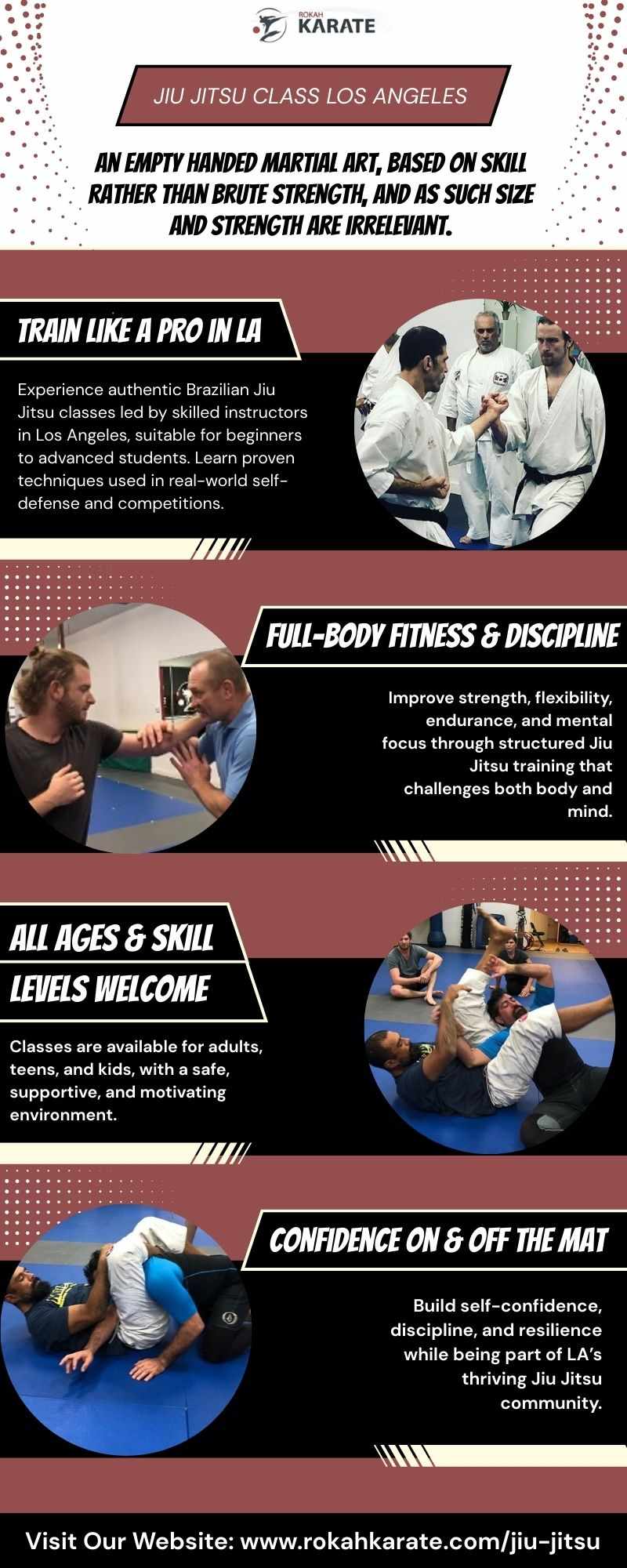
Brazilian Jiu Jitsu (BJJ) has gained immense popularity among adults looking for a comprehensive approach to martial arts. Unlike striking-focused disciplines, BJJ emphasizes grappling, ground techniques, and submissions, making it a highly effective form of self-defense. Private Jiu Jitsu classes offer one-on-one instruction tailored to your skill level, goals, and pace of learning. This personalized approach ensures that students gain a deep understanding of techniques, from escapes and sweeps to joint locks and chokeholds. Private sessions allow for focused feedback, faster progression, and the ability to address specific challenges or weaknesses. Beyond self-defense, BJJ develops mental acuity, problem-solving, and patience. Each sparring session, or “roll,” is like a chess match, requiring strategy, timing, and adaptability. For adults, private classes can also be scheduled conveniently, allowing busy professionals or parents to train without compromising other commitments.
Benefits Across Disciplines: Physical and Mental Wellness
Whether you choose karate, self-defense, wrestling, or Jiu Jitsu, the benefits of adult martial arts training extend far beyond the dojo. Physically, these disciplines improve cardiovascular health, muscle tone, flexibility, and coordination. Regular training also enhances endurance, reaction time, and overall strength. Mentally, martial arts instill discipline, focus, and stress management. Adults often experience increased confidence, emotional resilience, and improved social skills as they interact with instructors and peers. The sense of achievement from mastering new techniques or advancing in rank provides a boost in self-esteem and motivation.
Choosing the Right Program for You
Selecting the right martial arts or self-defense program depends on your goals, interests, and schedule. If you seek discipline, structure, and traditional martial arts training, adult karate classes may be ideal. For practical safety skills, self-defense classes offer real-world applications. Wrestling provides intense physical conditioning and competitive spirit, while private Jiu Jitsu classes offer personalized learning and mastery of grappling techniques. Many training centers offer trial sessions or introductory programs, allowing you to experience different styles before committing. Combining multiple disciplines can also be advantageous—for instance, supplementing karate with self-defense classes or wrestling with Jiu Jitsu can create a well-rounded skill set.
Tips for Success in Adult Martial Arts Training
Consistency is Key: Regular attendance ensures steady progress and helps build muscle memory.
Focus on Technique, Not Just Strength: Proper form prevents injuries and ensures effectiveness in real situations.
Listen to Your Body: Adults may have physical limitations or past injuries; adapting exercises and seeking guidance is crucial.
Set Realistic Goals: Whether it’s achieving a belt, mastering a technique, or improving fitness, clear goals maintain motivation.
Embrace the Mental Training: Martial arts are as much about mental resilience and focus as physical strength.
Conclusion
Adult martial arts and self-defense training are more than just hobbies—they are investments in your physical health, mental well-being, and personal safety. From the disciplined strikes of karate to the practical techniques of self-defense, the strength and strategy of wrestling, and the tactical grappling of Jiu Jitsu, each discipline offers unique benefits for adults of all ages. Whether you aim to improve fitness, gain confidence, learn self-protection skills, or simply challenge yourself, enrolling in adult martial arts classes can be a life-changing experience. Start today and unlock your full potential—physically, mentally, and emotionally.

Write a comment ...